
When a Fall May Be Someone Else’s Legal Responsibility
About the Author: Leonard S. Becker is a Chicago personal injury lawyer with nearly 30 years of experience representing accident victims in car crashes, truck collisions, bus accidents, workplace injuries, and wrongful death cases across Chicagoland, with multi-million-dollar recoveries to his name.
A slip, trip, or fall can seem like a simple accident, but some incidents happen because a property owner failed to create a safe environment. Understanding when a fall may be tied to premises liability can help you determine whether someone else may be legally responsible for your injuries.
This overview explains how premises liability works, what qualifies as negligence, and what you need to prove if you’re considering a legal claim after a fall.
What Premises Liability Means
Premises liability is a legal concept that holds property owners and managers accountable for keeping their spaces reasonably safe for lawful visitors. When a dangerous condition on the property leads to injury, the owner may be responsible if the hazard was known or should have been discovered and addressed.
Common hazards include wet floors without warnings, poorly maintained staircases, inadequate lighting, blocked walkways, or construction areas without proper signage. When these issues are ignored, they can form the basis of a liability claim.
Why Not All Falls Lead to Claims
Even though falls cause many injuries, not every incident qualifies as a legal case. For a premises liability claim to move forward, the fall must be connected to negligence. This means the property owner had actual or constructive knowledge of the danger and failed to fix it or warn visitors in a reasonable timeframe.
A fall caused by personal clumsiness or something outside the owner’s control likely isn’t grounds for a claim. But slipping on a spill that had been left unattended for hours or falling on stairs without a proper handrail could point to negligence.
Understanding the Property Owner’s Duty of Care
The “duty of care” describes a property owner’s obligation to maintain safe conditions. This includes routinely inspecting the property, repairing hazards promptly, and using warning signs when repairs can’t be completed immediately.
When this duty is neglected and someone gets hurt, the owner may be held liable for the resulting injuries.
How Your Visitor Status Affects Protection
The law considers why you were on the property. Invitees—typically customers—are owed the highest level of care because they are on site for the owner’s benefit. Licensees, such as social guests, are still protected but to a lesser degree. Trespassers receive limited protections, although property owners cannot intentionally cause them harm.
Children may receive additional safeguards under the attractive nuisance doctrine. This applies when something on the property, such as a pool or abandoned equipment, could draw a child who may not understand the risks.
What You Must Prove in a Claim
Successful premises liability claims rely on showing several essential elements:
- The person or business you are suing controlled the property at the time of the fall.
- A hazardous condition existed.
- The owner knew about the danger or should reasonably have discovered it.
- The unsafe condition directly caused your injury.
- You suffered actual damages, such as medical costs, lost income, or pain and emotional stress.
Together, these elements establish the foundation for a valid claim.
The Importance of Evidence
Strong evidence strengthens your ability to prove liability. Useful documentation may include photos of the hazard, statements from witnesses, medical records, treatment expenses, or surveillance footage if available.
Reports filed with the property owner and any communication about the dangerous condition can also help demonstrate what the owner knew and when they knew it.
How Property Owners Respond to Claims
Property owners often attempt to shift blame onto the injured person. They may argue the hazard was obvious, claim you were careless or distracted, or state you were somewhere you shouldn’t have been on the property.
In states that use comparative negligence rules, your compensation may be reduced if you're found partially responsible. In states with contributory negligence, even a small share of fault could bar recovery entirely. Because these legal standards vary, having an attorney can be crucial.
What Compensation May Include
If your case succeeds, compensation may cover a range of damages. These can include medical bills, rehabilitation costs, and lost wages from missed work. You may also receive compensation for emotional distress, changes to your daily life, and long-term effects of the injury.
In rare cases involving extreme negligence or reckless behavior, punitive damages may be awarded to discourage similar conduct in the future.
When to Seek Legal Guidance
If you or someone close to you was hurt in a fall and you’re unsure what to do next, it’s wise to seek professional advice. A premises liability attorney can help determine whether negligence played a role and guide you through your options with clarity.
Speaking with a legal professional can help you protect your rights and make informed decisions about your next steps.
Understanding Personal Injury Claims in Illinois
Read more
Understanding Medical Liens in Chicago Injury Cases
Read more
Fireworks Safety Month: Understanding Injury Risks And Liability
Read more
When a Fall May Be Someone Else’s Legal Responsibility
Read more
Motorcycle Safety Awareness Month: Supporting Safer Roads
Read more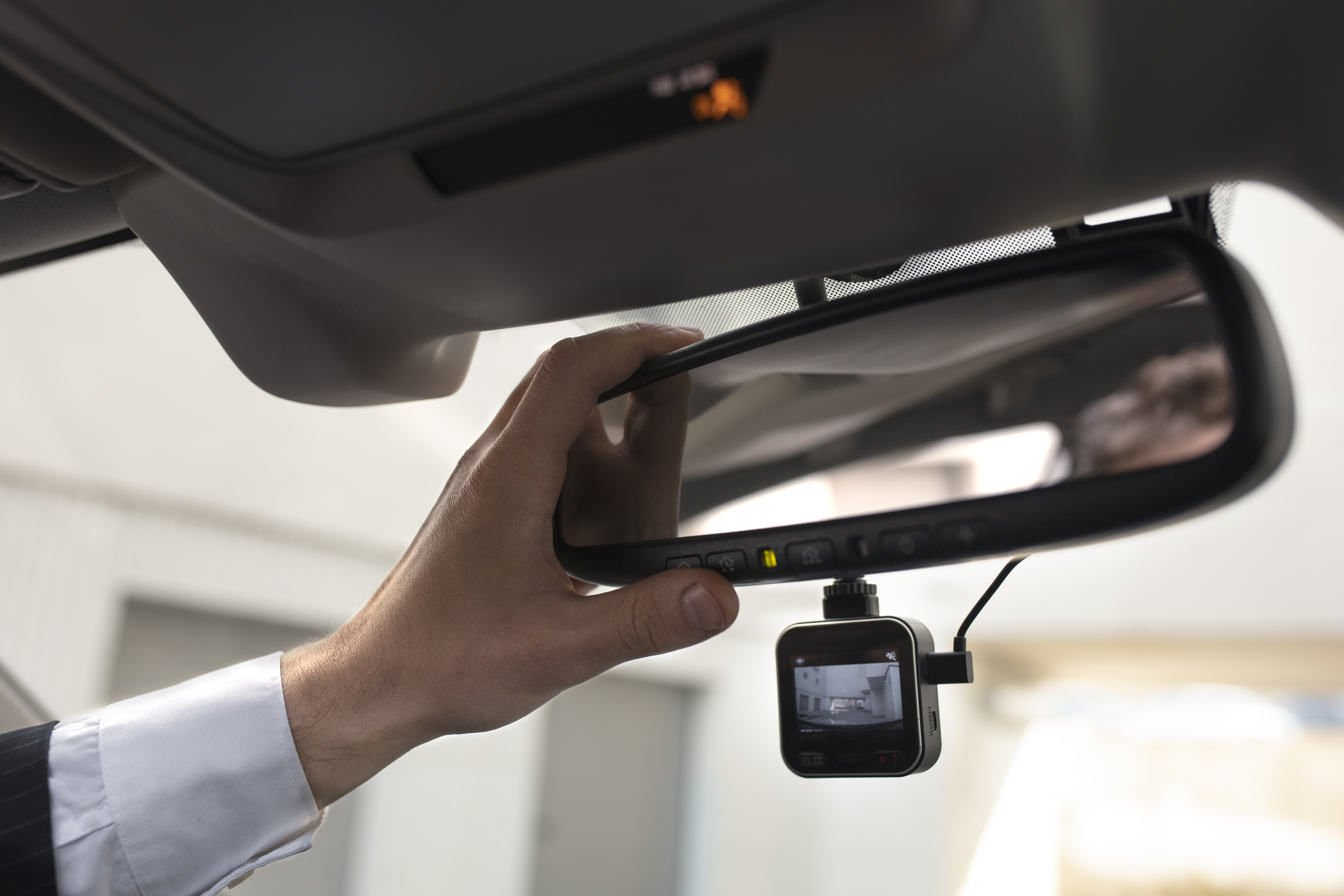
Should You Consider a Dash Cam for Safer Driving?
Read more
How Evidence Helps Prove Distracted Driving in Injury Cases
Read more
How Social Media Can Impact Your Personal Injury Case
Read more
Understanding the Three Types of Personal Injury Damages
Read more
Deciding Between Settling or Going to Court for Personal Injury Claims
Read more
What to Do After a Personal Injury
Read more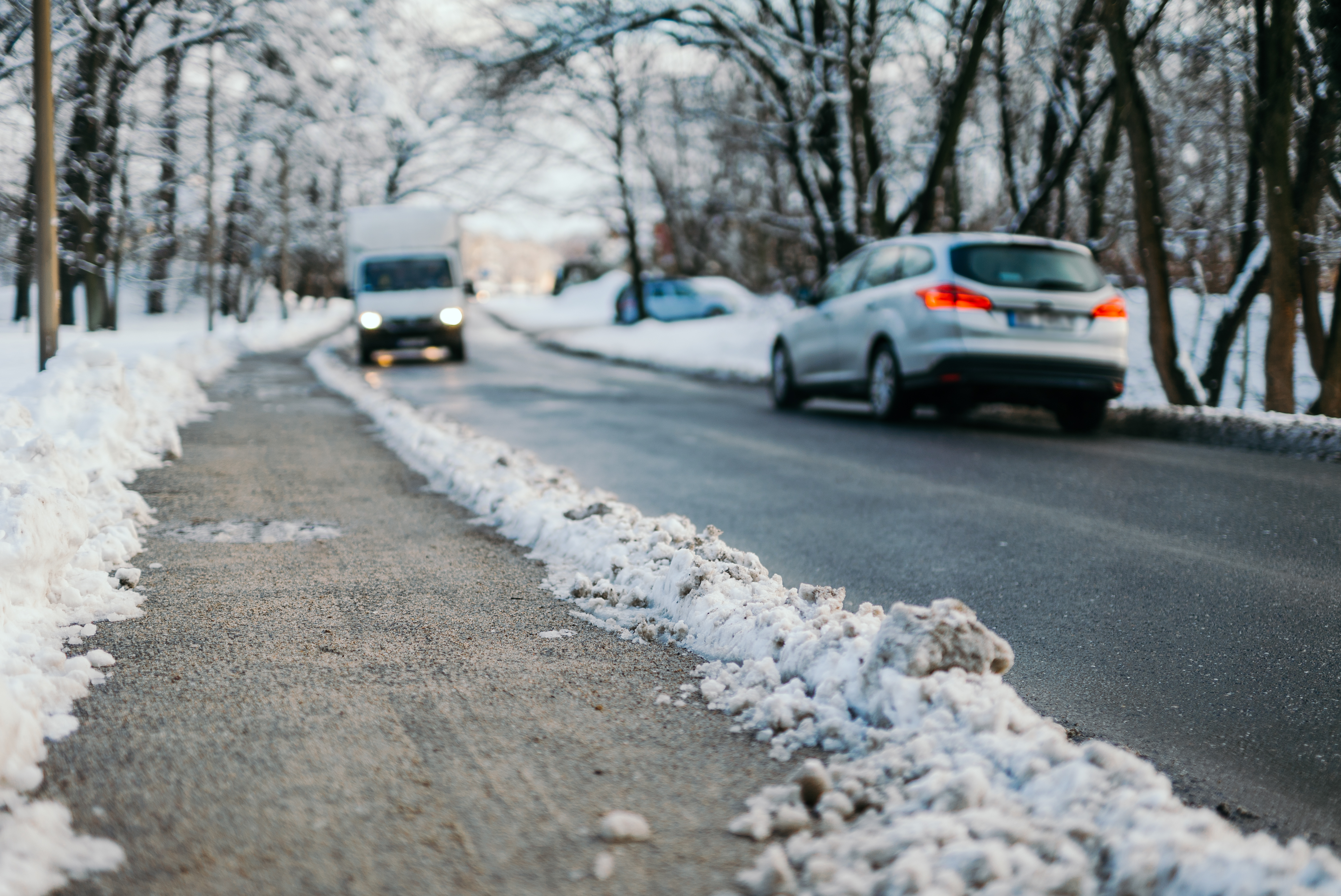
Winter Driving Dangers: Essential Insights for Drivers and Pedestrians
Read more
Celebrate Safely: Enjoy the Holidays Without Risk
Read more
Holiday Safety: Celebrate Responsibly This Season
Read more
Personal Injury: Essential Steps to Protect Yourself
Read more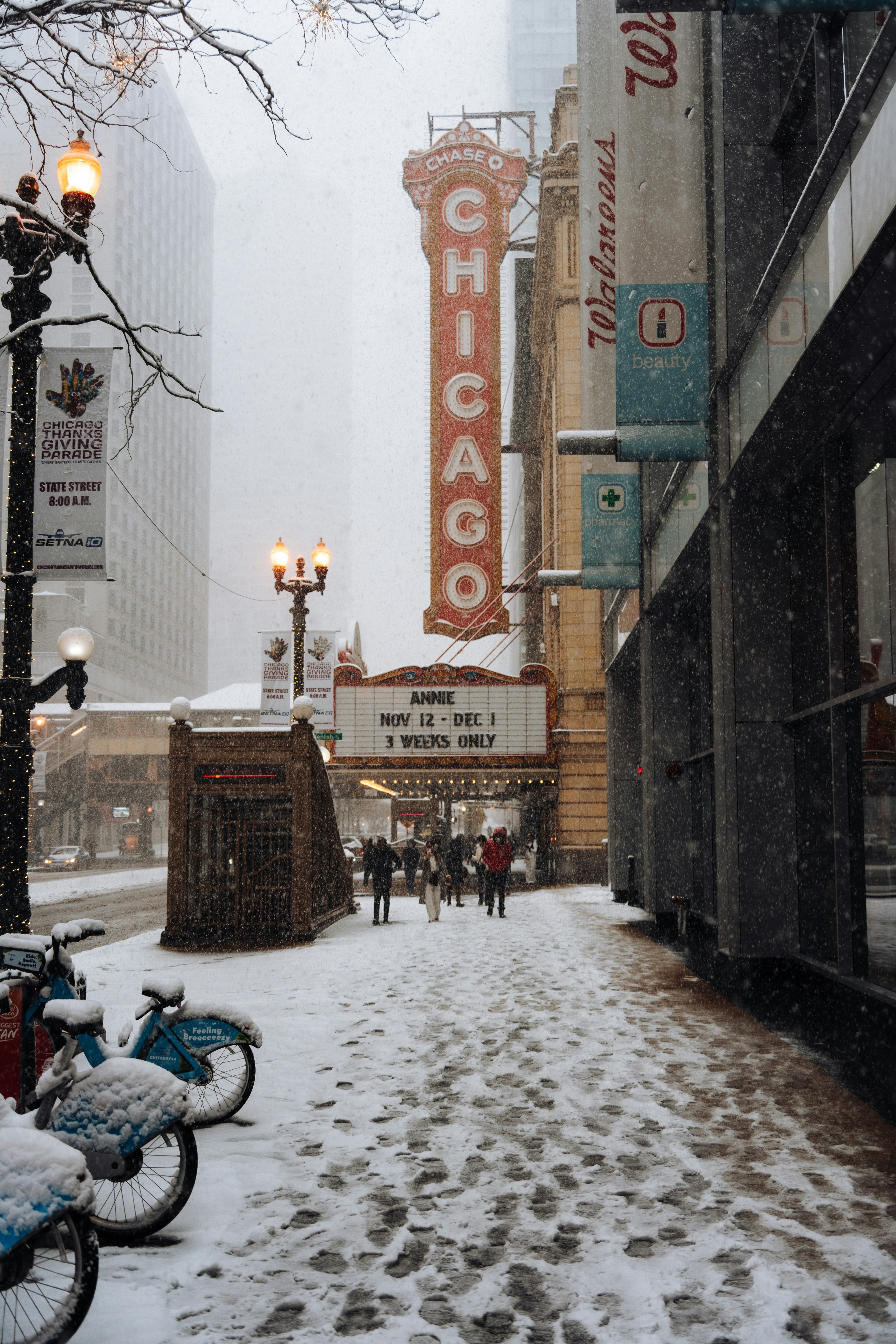
Who’s Responsible for Snow & Ice Removal in Chicago?
Read more
Staying Safe This Fall: Legal Tips for Homeowners and Families
Read more
Halloween Safety Tips for a Fun and Compliant Celebration
Read more
Prepare for Autumn: Your Fall Incident Checklist
Read more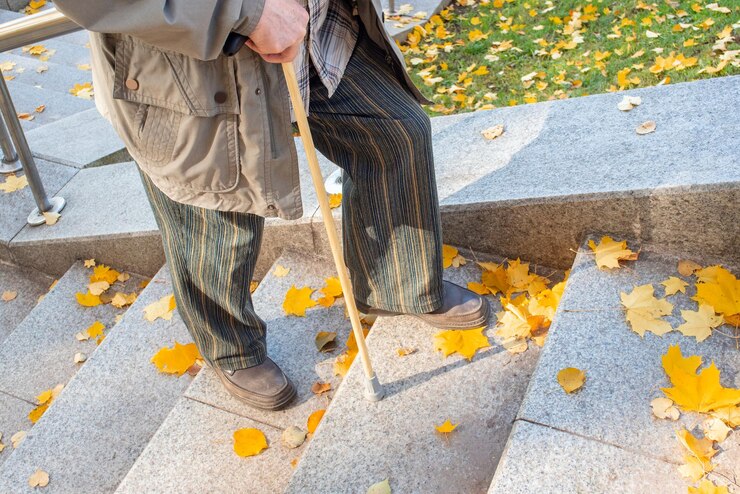
Fall Prevention in Autumn: Stay Safe This September
Read more
Navigating Safely Around Tractor-Trailers
Read more
Understanding Insurance and Personal Injury Claims
Read more
Navigating Summer Camps: Safety, Liability, and Rights
Read more
Embrace Safety: May's National Bike & Motorcycle Month
Read more
Distracted Driving Awareness: The Legal Impact
Read more
Slip and Fall Cases: Essential Knowledge for Claims
Read more
Understanding Insurance in Personal Injury Cases
Read more
Statute of Limitations - Your rights are on the clock!
Read more