

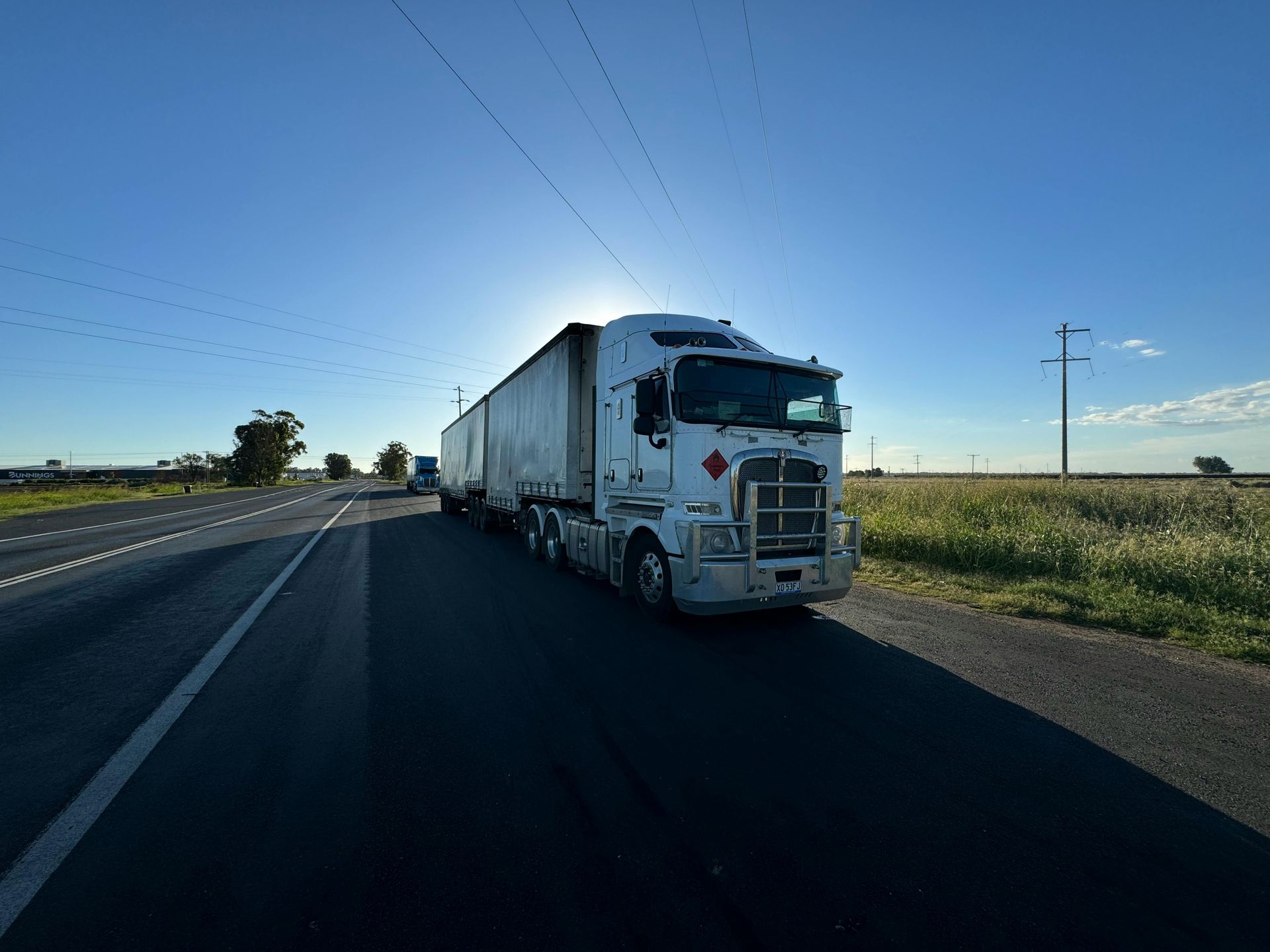
Chicago Truck Accident Lawyer for Serious Commercial Vehicle Crashes
Truck Accidents Are Different From Ordinary Car Crashes
A collision with a semi-truck, delivery vehicle, or other commercial truck is not like a typical car accident. The injuries are often more severe, the legal questions are more layered, and the other side, meaning the trucking company and their insurer, usually starts building their defense before you've even left the hospital. At the Law Offices of Leonard S. Becker, we've spent more than 30 years helping people across Chicago and the surrounding counties take on exactly that kind of opposition, including clients from Cicero, Waukegan, and Naperville who need clear guidance after a serious commercial vehicle crash. If a truck accident took the life of someone you love, our wrongful death page explains what options may be available to your family. Acting quickly after a trucking accident is not just helpful, it's often essential to preserving the evidence that makes a claim work.
Case Outcomes Involving Serious Commercial Vehicle Collisions
Truck accident claims involve catastrophic injuries and financial losses that add up fast. Our case results include a $3 million recovery in a garbage truck collision and a $2 million settlement in a serious truck crash. Those outcomes come from building claims that account for every layer of liability, documenting the full impact of the injury, and being prepared to go further when the insurer decides not to deal fairly.
Why Trucking Accident Claims Are Often More Complex
The moment a commercial truck crash happens, the clock starts running on both sides. Trucking companies and their insurers typically respond fast, sending investigators to the scene and beginning to build their case while you're still dealing with the immediate aftermath. These cases involve corporate insurance policies that are structured to minimize payouts, federal safety regulations that the carrier may have violated, and records that have to be preserved quickly before the company is no longer required to keep them.
Specifically, that can mean large commercial insurance policies with aggressive defense teams behind them, multiple responsible parties across the supply chain, federal and state trucking regulations governing driver hours and vehicle safety, detailed maintenance and inspection records, and electronic driver activity logs and telematics data that tell the real story of what was happening before the crash. Understanding how all of that fits together, and moving fast enough to use it, can make a significant difference in what a claim is ultimately worth.


Who May Be Responsible for a Trucking Accident
Truck accident claims rarely come down to just one party. Identifying every responsible entity is part of building a claim that reflects the full scope of what happened.
Truck Driver
Driver fatigue, distraction, speeding, or impairment may have contributed directly to the crash. The driver's conduct is often the starting point, but rarely the whole story.
Trucking Company or Carrier
The company operating the truck may share responsibility for how it hires, trains, and supervises its drivers, and for the safety policies it does or doesn't enforce.
Maintenance Providers
When a third-party contractor performs inadequate inspections or fails to address a known mechanical issue, they can be held accountable for the role that played in the crash.
Cargo Loading Companies
Improperly loaded or unsecured cargo can make a truck dangerously unstable. When that's a factor, the company responsible for loading the vehicle may share liability.
Vehicle or Parts Manufacturers
Defective brakes, tires, or other components can contribute to a crash even when the driver and company did everything right. Manufacturers don't get a pass when their products fail.
Evidence That Matters After a Semi-Truck Crash
Truck accident cases depend on specialized evidence that has to be secured before it disappears, and some of it disappears faster than you'd expect.
The most critical materials typically include truck electronic logging device data, black box and telematics records, driver logbooks and hours-of-service documentation, maintenance and inspection reports, dash camera or surveillance video, and police crash reports and witness statements.
Trucking companies control most of these records, and they are not required to keep them indefinitely. We move quickly after a crash specifically to make sure that evidence gets preserved before the other side has any reason to let it go.
What to Do After a Truck Accident
The steps you take in the immediate aftermath of a trucking crash matter more than most people realize.
Seek immediate medical care
Injuries from commercial vehicle collisions can be severe and may not fully present themselves right away. Getting evaluated early protects your health and creates a record of what the crash caused.
Report the accident and document the scene
A police report is essential. If you're able to, photograph the vehicles, the roadway, your injuries, and anything else that shows what happened before the scene is cleared.
Preserve evidence whenever possible
Witness names and contact information, vehicle damage, road conditions, and any other details from the scene may become important later. Don't assume someone else is capturing them.
Avoid discussing fault with the insurance company
The trucking company's insurer may reach out quickly and sound cooperative. Their job is to protect the carrier, not you. Don't give a recorded statement before speaking with a lawyer.
Talk to a lawyer before accepting any settlement
Early offers in truck accident cases are almost never close to what the claim is actually worth. A legal review helps you understand the full picture before you agree to anything.
Illinois Deadlines for Truck Accident Injury Claims
Most people don't realize there's a filing deadline running on their claim from the day of the crash. In Illinois, personal injury lawsuits generally must be filed within two years of the accident, though certain circumstances can affect that timeline. Beyond the legal deadline, acting early matters because the evidence in truck accident cases, especially electronic data, has its own shorter window. Waiting costs you options you may not be able to get back.
Ready to Move Forward With Your Claim?
You're dealing with medical treatment, missed income, and a trucking company that had lawyers involved before you even got home from the hospital. That's not a fair fight to take on alone. At the Law Offices of Leonard S. Becker, we level that playing field, moving quickly, investigating thoroughly, and building a claim that reflects what this accident actually cost you.
What to Expect When Starting a Trucking Injury Claim
When you contact the Law Offices of Leonard S. Becker, the first conversation covers how the crash happened, what injuries you sustained, and where things currently stand. From there, we move quickly on the evidence that has the shortest window, ELD data, black box records, and driver logs that trucking companies may not be required to keep for long. We gather police reports, medical records, and any other documentation the case needs, then organize everything around liability proof and documented damages. If the insurer won't resolve the case fairly, it's built from the beginning to go further.
Initial consultation
We go through the accident details, your injuries, and the available documentation to identify the strongest path forward.
Evidence preservation
ELD data, driver logs, telematics records, and maintenance history are secured before retention windows close.
Claim development
Medical documentation, liability proof, and the full financial impact of the crash are organized into a claim that tells the complete story.
Negotiation or litigation preparation
Whether the case resolves through negotiation or moves into court, it's prepared to go the distance from day one.
Truck Accident Questions People Often Ask
Who can be held liable in a Chicago truck accident?
Responsibility may fall on the truck driver, the trucking company, maintenance providers, cargo loaders, vehicle manufacturers, or some combination of all of them. One of the most important early steps is making sure every responsible party is identified before the investigation narrows.
What makes semi-truck accident claims different from car accident claims?
Truck cases involve federal safety regulations, corporate insurance structures, and specialized evidence like driver logs and electronic vehicle data that simply doesn't exist in a standard car crash claim. The scale of the injuries, the number of parties involved, and the speed at which the other side responds all make these cases more complex from the start.
How long do I have to file a truck accident lawsuit in Illinois?
In most cases, Illinois law gives you two years from the date of the accident to file a personal injury claim, though certain circumstances can affect that deadline. The electronic evidence in these cases has an even shorter window, which is another reason not to wait.
What evidence should be preserved after a trucking crash?
The most time-sensitive materials include electronic logging device data, truck maintenance records, black box and telematics information, dash camera footage, accident reports, and witness statements. Some of this data can be gone within days if it isn't secured quickly.
Do you charge fees upfront for truck accident cases?
No. Consultations are free, and we handle cases on a contingency basis. You don't pay legal fees unless we recover compensation for you.
Protect Your Claim After a Serious Trucking Accident
Truck accident cases demand fast action, careful investigation, and a legal team that understands how these claims are built and fought. At the Law Offices of Leonard S. Becker, we help injury victims across Chicago and the surrounding communities, including
Cicero,
Waukegan, and
Naperville, pursue the compensation they deserve after a serious commercial vehicle crash.