

Should You Consider a Dash Cam for Safer Driving?
About the Author: Leonard S. Becker is a Chicago personal injury lawyer with nearly 30 years of experience representing accident victims in car crashes, truck collisions, bus accidents, workplace injuries, and wrongful death cases across Chicagoland, with multi-million-dollar recoveries to his name.
Dash cams are becoming a common tool for drivers who want extra protection on the road. These small devices capture video of your surroundings, offering valuable documentation when accidents happen or details are disputed. While dash cams can provide clarity in complicated situations, they aren't a perfect fit for every driver. Understanding their potential advantages and limitations can help you decide whether installing one makes sense for your needs.
Why More Drivers Are Turning to Dash Cams
Growing concerns about roadway safety have more drivers investing in dash cams. Accident rates have increased compared to years past, creating more disagreements about fault and responsibility. When accounts differ and no neutral witnesses are available, having objective video can play an important role in resolving conflicts.
Research also supports this rise in interest. A study published in the Journal of Safety Research found that accident-related expenses dropped by 86% when dash cams with driver feedback were used. While this research applied to a specific use case, it demonstrates how recorded footage can reduce both risky driving habits and the financial consequences of collisions. For everyday drivers, it reinforces the idea that clear video can simplify the claims process.
How Dash Cams Operate During Daily Driving
A dash cam is a compact camera that attaches to your dashboard or windshield. It typically starts recording as soon as your vehicle is running, saving footage to a memory card. Most devices use loop recording, meaning older clips are overwritten unless saved manually.
Many models now include advanced features. Some cameras activate when they detect movement or impact, allowing them to capture events even when your vehicle is parked. Others offer dual-lens coverage, night recording capabilities, GPS tracking, or cloud storage. Regardless of the features you choose, the main purpose stays the same: to create an unbiased visual record of what occurred.
How Dash Cam Footage Helps After an Accident
One of the strongest advantages of dash cams is their ability to show exactly what led up to a crash. When drivers disagree about what happened, video can provide insight into details such as lane changes, traffic signals, or sudden stops. These small but important details may help demonstrate whether another driver drifted into your lane or failed to follow traffic laws.
Video can also streamline insurance claims and legal discussions. Rather than relying solely on memory or conflicting statements, adjusters and attorneys can refer to the footage for a clearer picture of the event. This added transparency often helps resolve disputes more quickly.
Preventing Fraud and False Claims
While uncommon, staged collisions and fraudulent statements do occur. Dash cam recordings can serve as a powerful safeguard in these situations. There have been instances where video evidence uncovered intentionally planned accidents or false accusations aimed at innocent drivers.
By documenting what truly happened, dash cam footage may prevent you from being unfairly blamed. Although no device can eliminate all dishonest behavior, video evidence makes it much harder for misinformation or manipulated stories to be accepted.
Capturing Hit-and-Run Events
Hit-and-run collisions can leave victims feeling powerless. When a driver flees before exchanging information, identifying them may seem nearly impossible. Dash cams can sometimes capture key information—such as license plates, vehicle models, or distinctive features—that may help authorities find the responsible party.
Cameras with parking mode can be particularly valuable. When activated by motion or impact, they may record incidents even when you’re not in the vehicle, providing an additional layer of security.
Important Limitations to Consider
Although dash cams offer significant benefits, they are not a guaranteed solution. They only capture what falls within the camera’s viewpoint. If an accident occurs outside that range, or if the video is unclear due to weather, glare, or obstruction, the footage may not be useful.
It’s also important to remember that dash cams are impartial. If the footage shows unsafe behavior on your part—such as tailgating, speeding, or driving distractedly—that same evidence could be used against your claim. The camera records everything, helpful or not.
Understanding Legal and Privacy Obligations
Dash cam use comes with legal responsibilities. Some states regulate where cameras can be mounted, particularly when they obstruct the driver's line of sight. Improper placement may not only be hazardous but also violate local laws.
Privacy laws are also important to consider. In states that require consent from all parties, recording in-cabin audio without permission may create legal issues. Maintaining footage correctly is equally important, especially if it may later be used as evidence. Preserving its accuracy and integrity is essential during claims or legal proceedings.
Should You Install a Dash Cam?
Whether a dash cam is right for you depends on your driving habits, comfort level, and priorities. Drivers who travel frequently, commute long distances, or have dealt with disputes in the past may find the added documentation reassuring.
Others may be hesitant due to privacy concerns, storage management, or the possibility that the footage could be interpreted unfavorably. Weighing both sides is important. Knowing how dash cam footage may be viewed by insurers or used in legal matters can help you make an informed decision.
If you’ve been involved in a vehicle collision and have questions about how dash cam recordings might affect your personal injury claim, seeking professional guidance can help. Video evidence can be valuable, but understanding how it will be reviewed and applied is just as important as what it captures.

Understanding Personal Injury Claims in Illinois
Read more
Understanding Medical Liens in Chicago Injury Cases
Read more
Fireworks Safety Month: Understanding Injury Risks And Liability
Read more
When a Fall May Be Someone Else’s Legal Responsibility
Read more
Motorcycle Safety Awareness Month: Supporting Safer Roads
Read more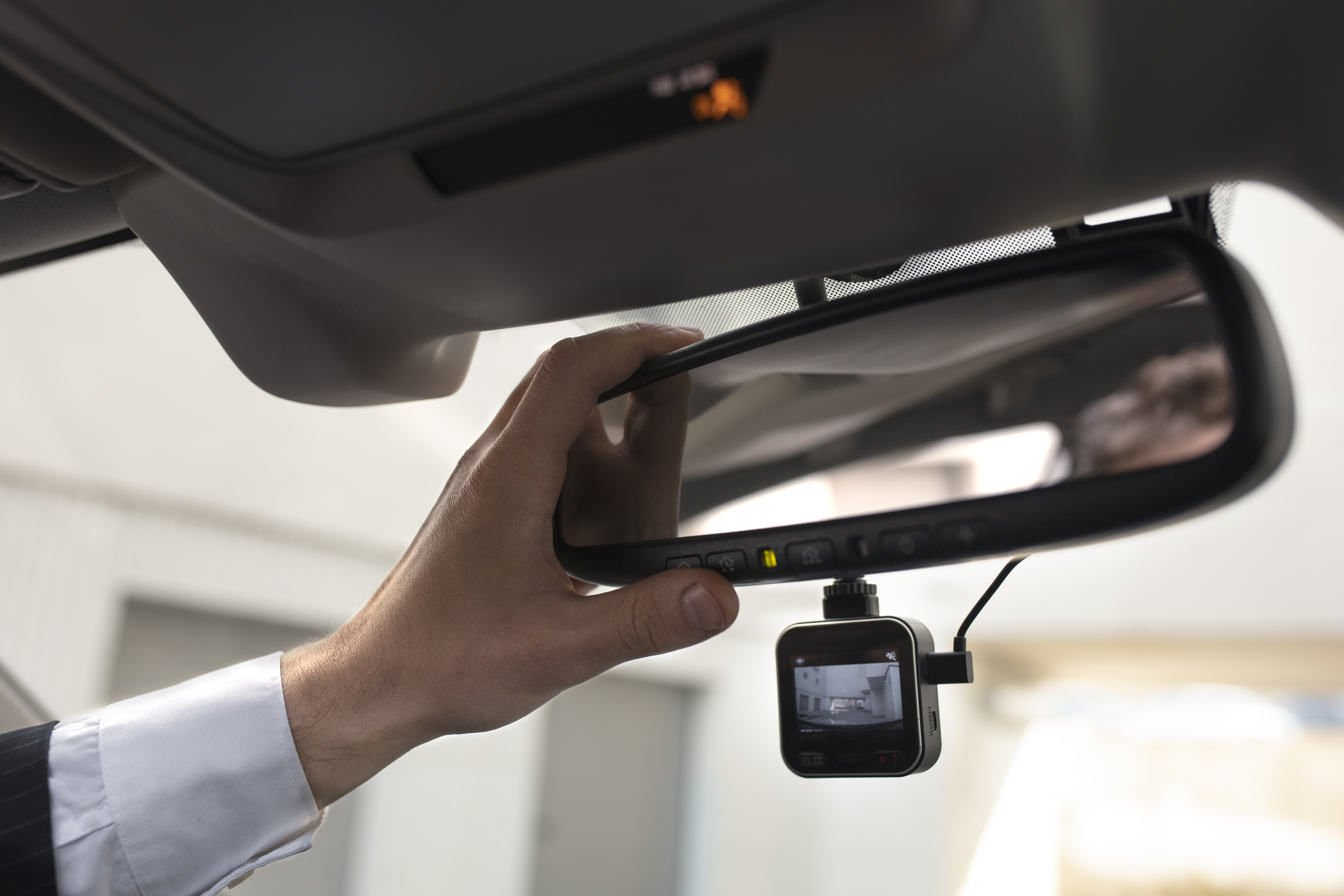
Should You Consider a Dash Cam for Safer Driving?
Read more
How Evidence Helps Prove Distracted Driving in Injury Cases
Read more
How Social Media Can Impact Your Personal Injury Case
Read more
Understanding the Three Types of Personal Injury Damages
Read more
Deciding Between Settling or Going to Court for Personal Injury Claims
Read more
What to Do After a Personal Injury
Read more
Winter Driving Dangers: Essential Insights for Drivers and Pedestrians
Read more
Celebrate Safely: Enjoy the Holidays Without Risk
Read more
Holiday Safety: Celebrate Responsibly This Season
Read more
Personal Injury: Essential Steps to Protect Yourself
Read more
Who’s Responsible for Snow & Ice Removal in Chicago?
Read more
Staying Safe This Fall: Legal Tips for Homeowners and Families
Read more
Halloween Safety Tips for a Fun and Compliant Celebration
Read more
Prepare for Autumn: Your Fall Incident Checklist
Read more
Fall Prevention in Autumn: Stay Safe This September
Read more
Navigating Safely Around Tractor-Trailers
Read more
Understanding Insurance and Personal Injury Claims
Read more
Navigating Summer Camps: Safety, Liability, and Rights
Read more
Embrace Safety: May's National Bike & Motorcycle Month
Read more
Distracted Driving Awareness: The Legal Impact
Read more
Slip and Fall Cases: Essential Knowledge for Claims
Read more
Understanding Insurance in Personal Injury Cases
Read more
Statute of Limitations - Your rights are on the clock!
Read more